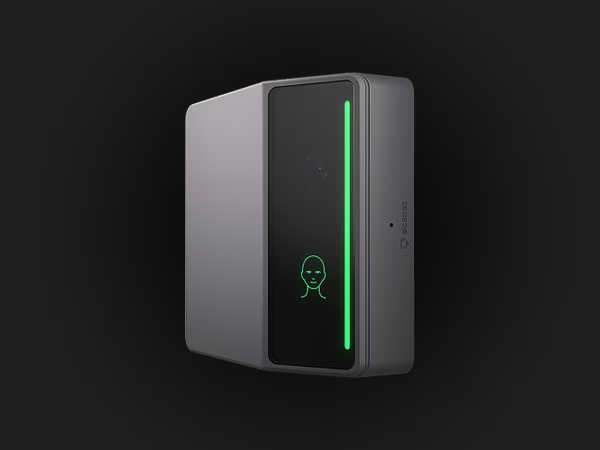



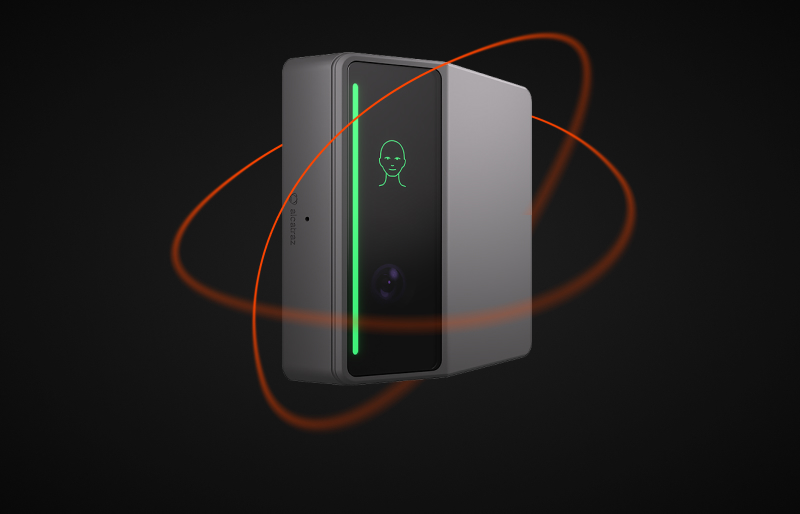


Speed lane entry
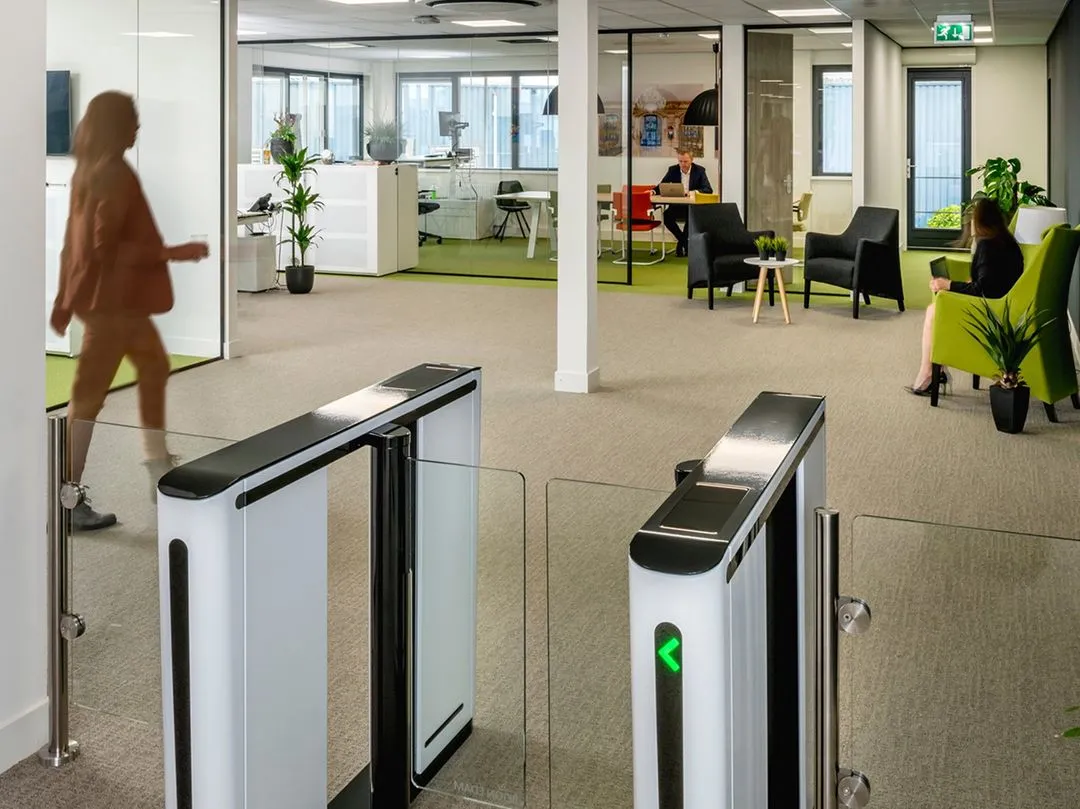
Biometric turnstiles that verify at walking pace
Facial authentication on your existing lanes, verifying every person in under a second, hands-free and in motion. Pass-backs and borrowed badges stop working, and tailgating is flagged in real time.
Why the turnstile is where security meets throughput
The turnstile is the one control every employee touches twice a day, and it is graded on speed. When the morning peak backs up, people notice. When someone passes the card back over the glass, nobody does.
That is the quiet failure. Optical lanes verify that a credential was presented, not who presented it, so pass-backs and close-following defeat the lane while the log records a clean day.
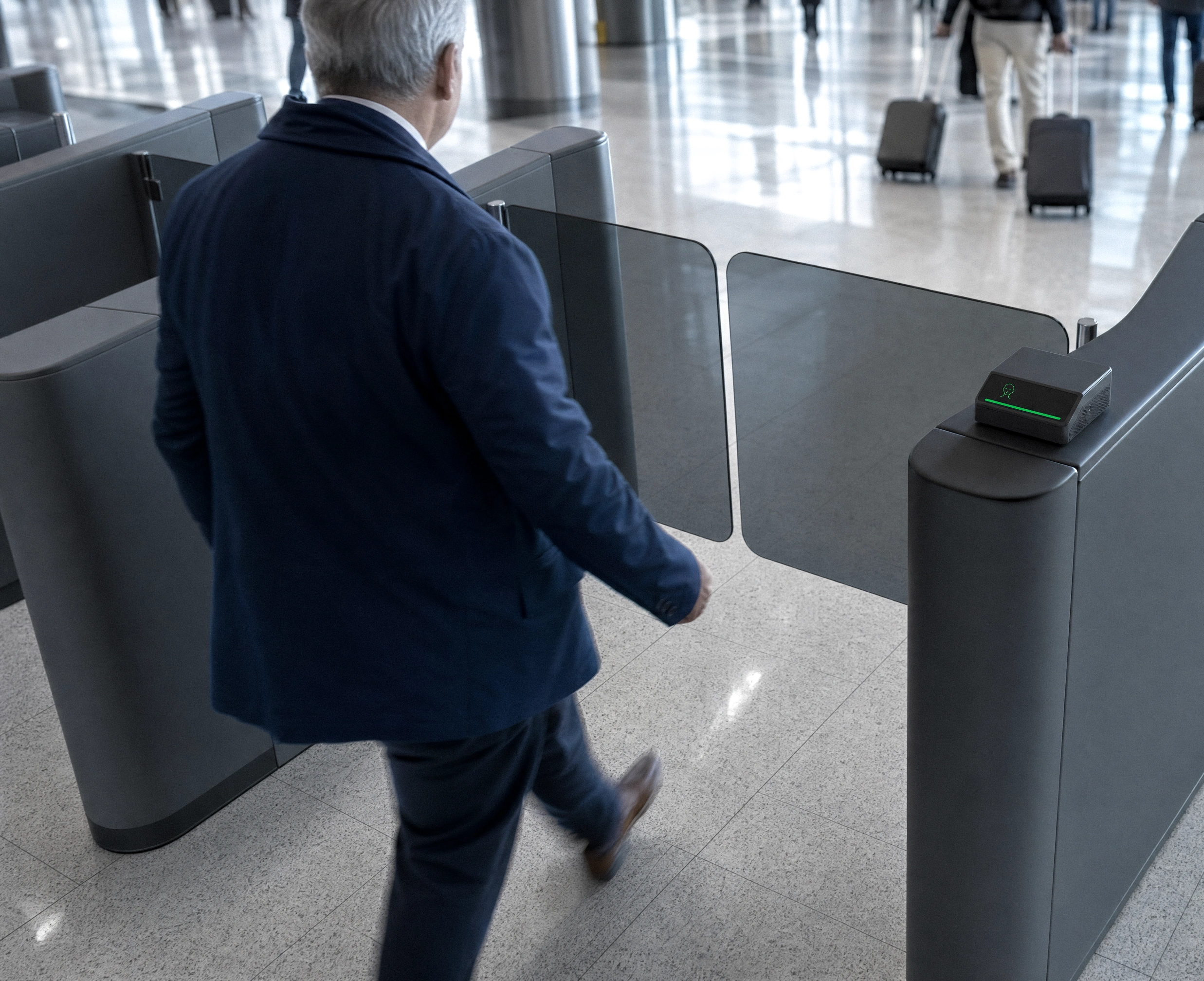
Alcatraz changes what the lane verifies. Rock X authenticates the enrolled person at walking pace, so the barrier opens for that individual only. Throughput rises because nobody stops to tap.
How a biometric turnstile works
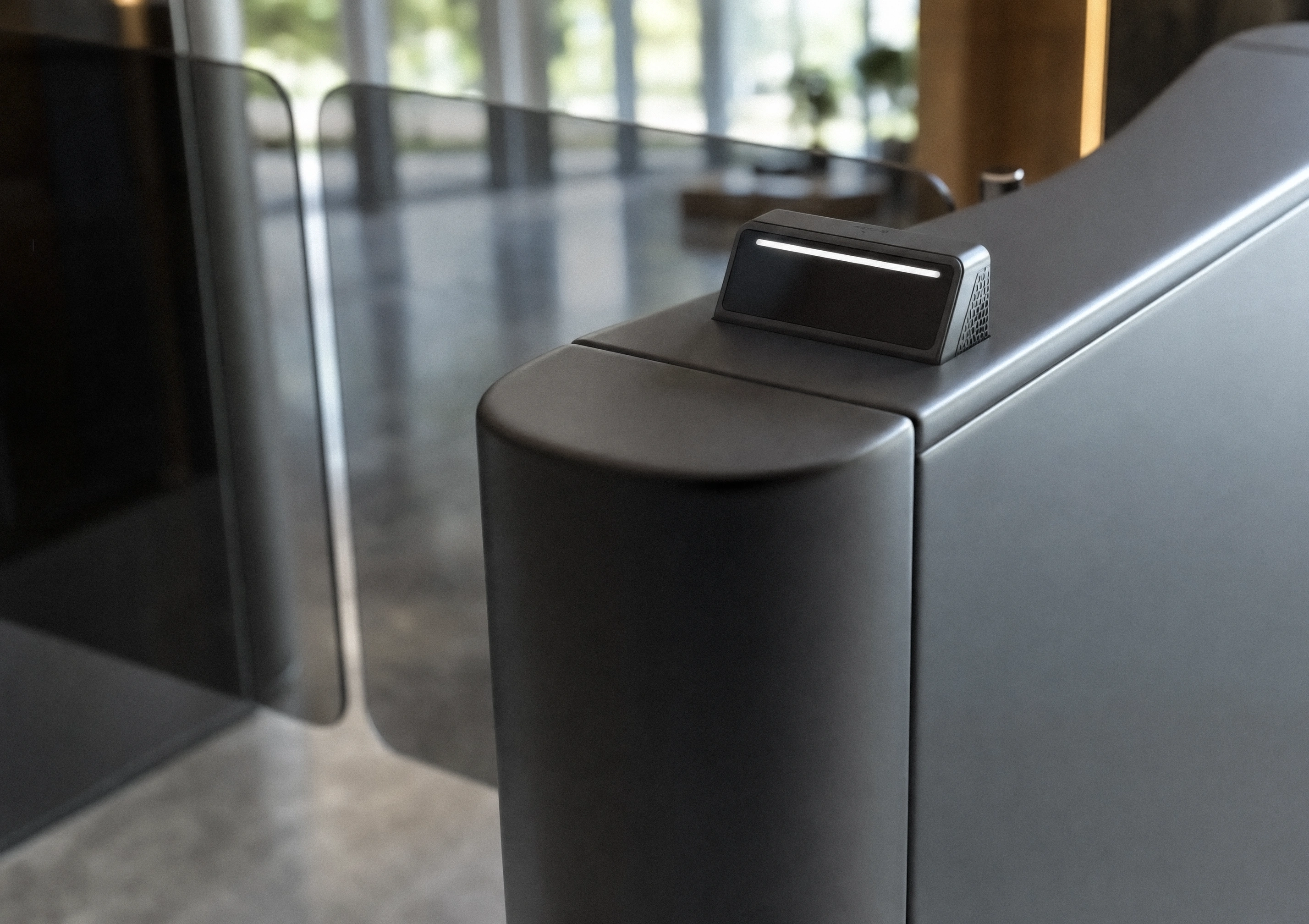
Rock X mounts at the pedestal or beside it and authenticates in motion, passing the credential to your existing panel via Wiegand or OSDP. Turnstile hardware, barrier logic, and platform stay as they are.
3D liveness blocks photos, screens, and masks, so a verified crossing means a physically present person. Lanes guarding higher-security floors can run badge-plus-face 2FA at the barrier itself.
Partners
Integrated with the entrance control leaders
Rock X was designed for the lane. Its flat-mount form factor fits the pedestals and glass barriers manufacturers already build, so it goes into new speed lanes and existing turnstiles without custom brackets.







Designed to disappear into any entrance
Rock X sits flush and reads as part of the architecture, not as a camera. The anodized finish holds up to years of daily traffic.
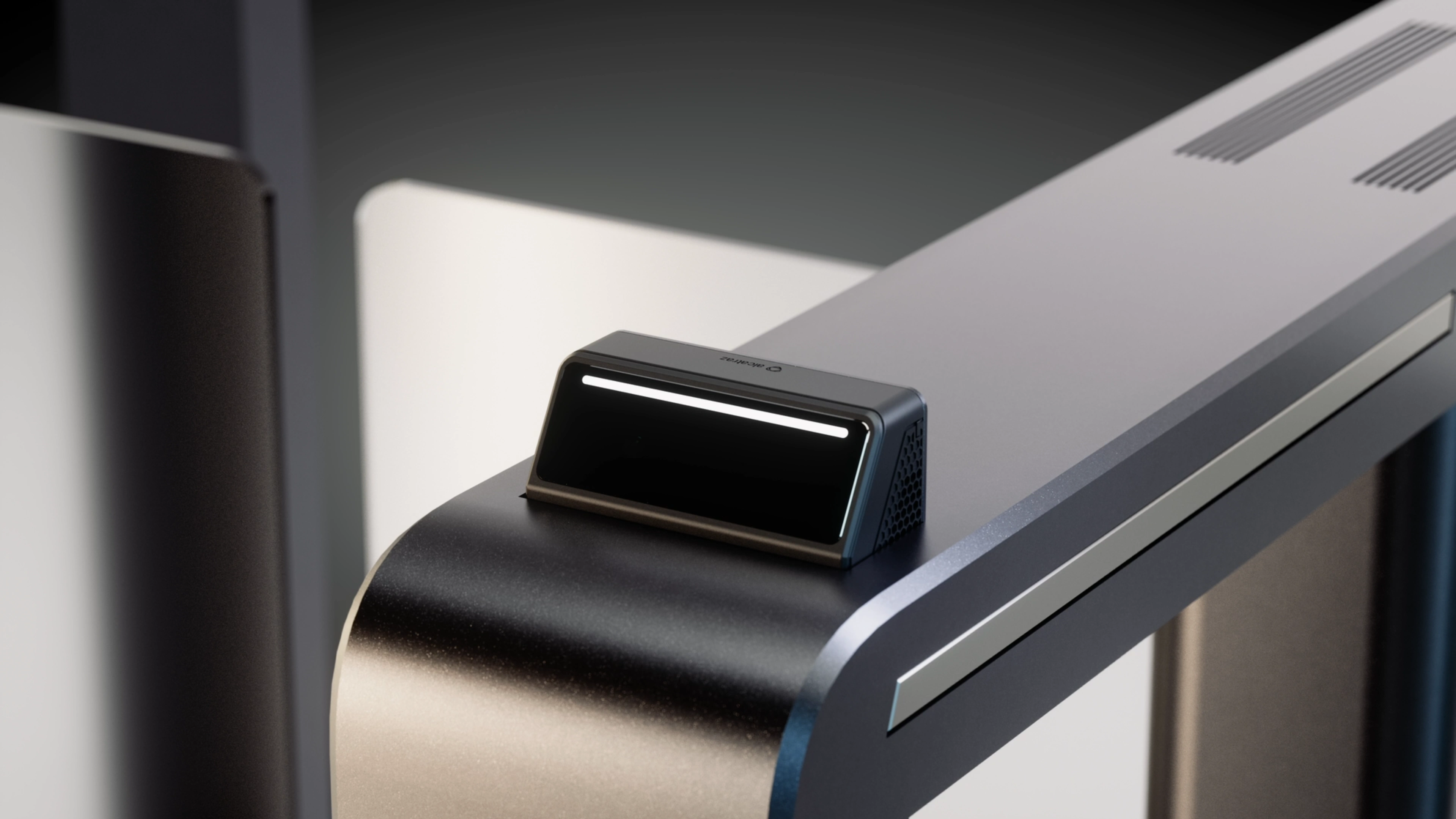
Embedded
Discreet and fully integrated. Embedded directly into select turnstiles, Rock X reveals only the glass-covered display and sensor, for high-end lobbies and design-sensitive spaces.
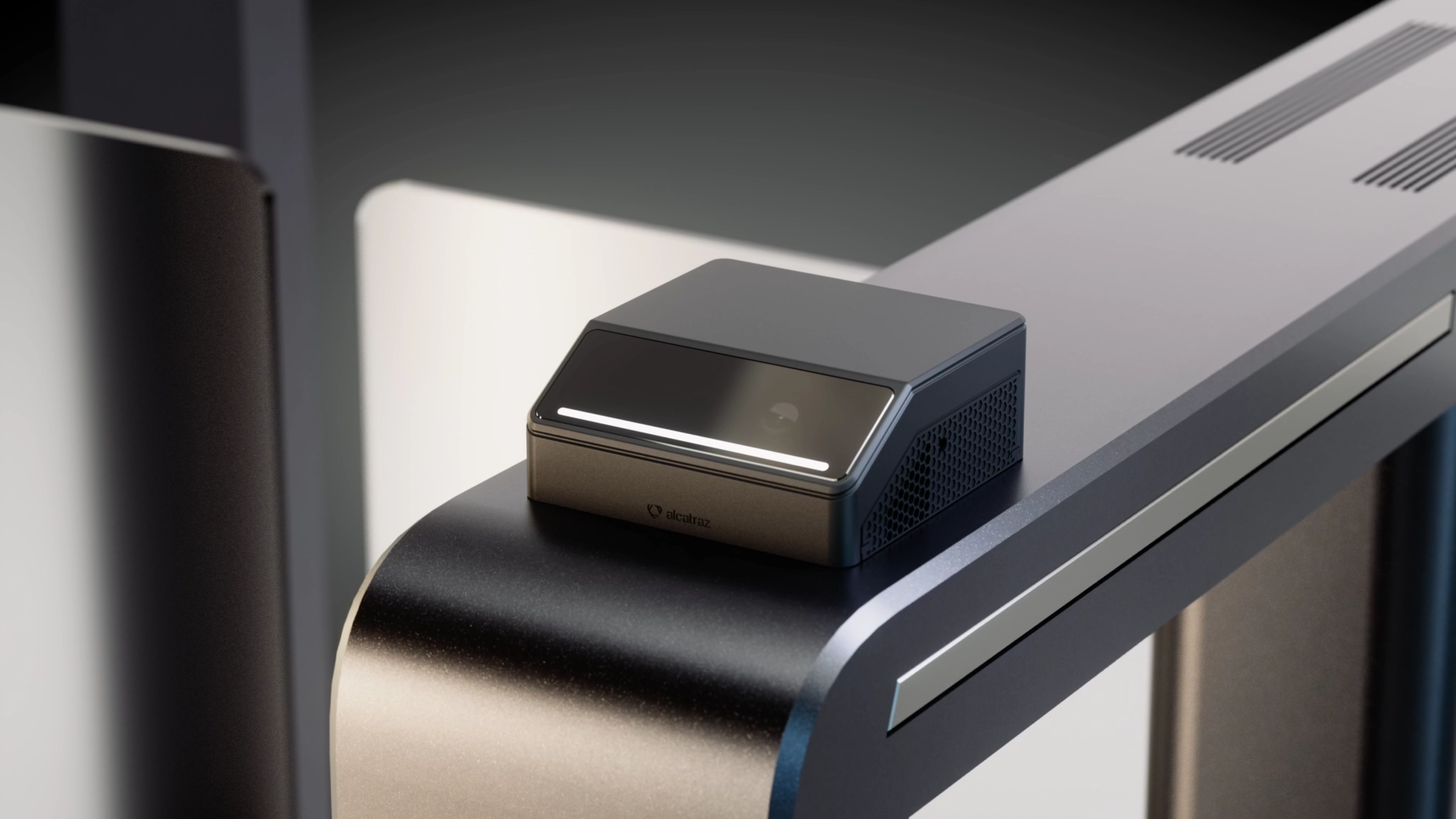
Flat-mount
Low profile, high impact. Flat-mounted to the top surface of existing turnstiles, Rock X preserves the original design with no major modifications.
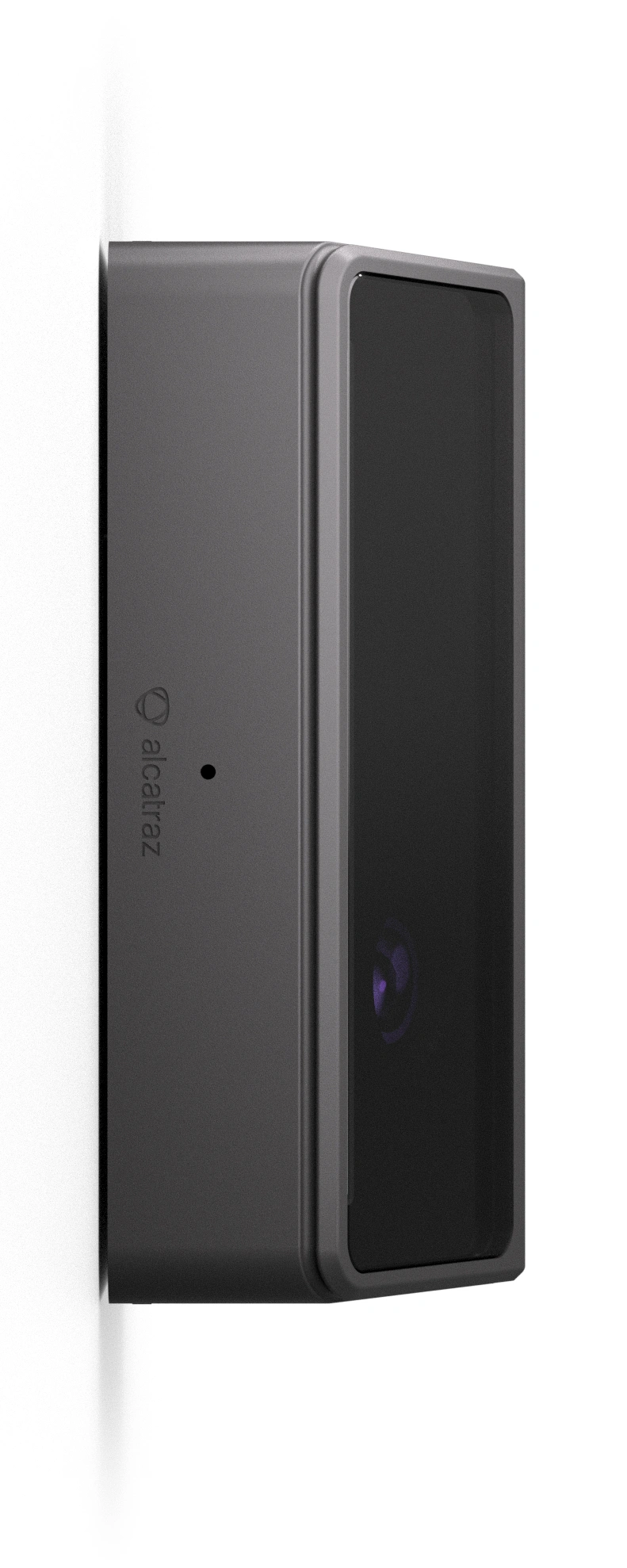
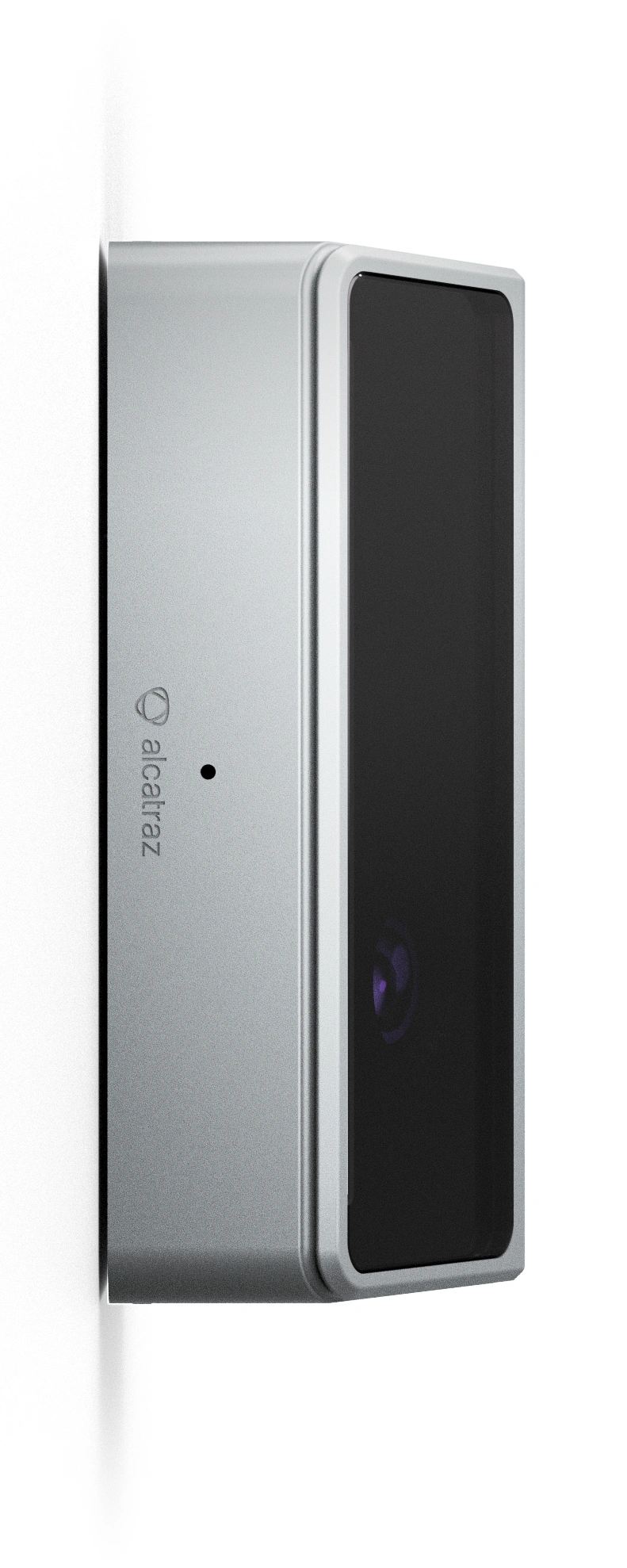
Mounts on walls, surface or mullion
Mounts on turnstiles and speed gates
Mounts inside mantraps and portals
Supported entrance types
From tripod turnstiles to security portals, Rock X mounts on the lane hardware you already run and verifies the person moving through it.
Proof from the field

FAQs
How does a biometric turnstile work with facial authentication?
How fast is a biometric turnstile compared to badge turnstiles?
Can a biometric turnstile stop tailgating and pass-backs?
Do biometric turnstiles work with existing optical turnstiles and access control systems?
Is a biometric turnstile a privacy risk for employees?
No. Enrollment is opt-in, all processing happens on the edge device at the lane, and biometric data exists only as encrypted, non-reconstitutable templates. No photos or videos of faces are stored, and the lane authenticates enrolled people who chose to use it, which is verification, not surveillance.